If you’re new to making money online, affiliate marketing can seem like a mix of hype, mystery, and half-truths. I’ve been around the affiliate space for a while, and I’ve tried more platforms, tools, and methods than I care to count.
If you want to skip the nonsense, here’s my honest take on what affiliate marketing is, how it really works, and what you need to know so you can give it a real shot, without falling for common traps.
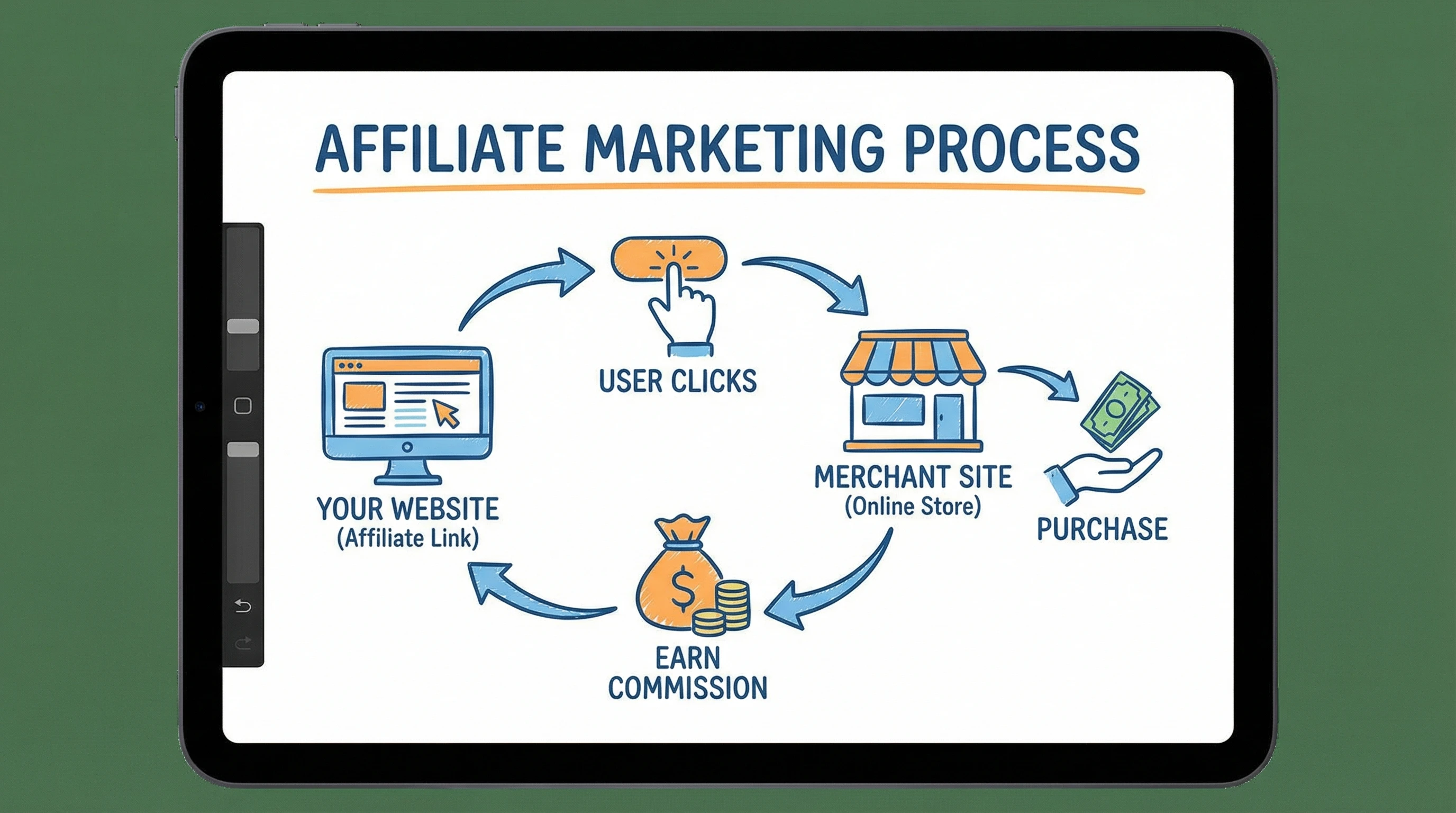
Affiliate Marketing Explained: What Is It, Really?
Affiliate marketing is a way to earn money by recommending products or services to people. When someone uses your special tracking link and makes a purchase, you get a commission. I like to think of it as being a connector, helping friends find things they need and getting paid for it.
It’s not about pushing random stuff for a quick buck. The best results and happiest customers come from being genuine and helpful. If you pick things you actually like and understand, the job gets a whole lot easier and way less stressful.
How Affiliate Marketing Actually Works
The process is simpler than most people think. Here’s what happens behind the scenes:
- Join an affiliate program: Sign up with a network or a company. They’ll give you unique links to share.
- Choose products to promote: Pick stuff you really believe in. It’s better for your reputation and your results.
- Share your links: You put these links on your blog, social media, YouTube, or email newsletters. When someone clicks your link and buys, you get paid.
| Affiliate Model | How You Get Paid | Example Programs |
| Pay-per-sale | Fixed % of the total sale price | Amazon Associates, Wealthy Affiliate |
| Pay-per-lead | Flat fee per signup or specific action | MaxBounty, FlexOffers |
| Recurring | Continuous commission for the life of the subscription | ClickFunnels, AWeber
A Quick Note on “Hybrids”Keep in mind that many modern programs use a Hybrid Model. For example, a software company might pay you a flat $50 “Bounty” for the initial sign-up (Pay-per-lead) plus a 10% monthly commission (Recurring). |
Starter Steps: How to Get Going with Affiliate Marketing
I know starting out can feel overwhelming, but it becomes much simpler when you break it down. Here’s a no-nonsense roadmap to begin:
- Pick a Topic (Niche): Choose something you enjoy or already know about. Popular options include fitness, technology, beauty, travel, and finance. The more specific, the better. Think “indoor gardening for small apartments” instead of just “gardening.”
- Join Reliable Affiliate Programs: Look for companies with good reviews, timely payments, and clear guidelines. Wealthy Affiliate is worth checking out for beginners looking for a trustworthy introduction.
- Create Helpful Content: Start a simple website, blog, or even a social channel. Write honest reviews, comparisons, tips, and tutorials. The goal is to help people solve real problems.
- Share Your Affiliate Links Ethically: Only link to products when they truly make sense. Use clear disclosures, since being upfront builds trust and keeps you on the right side of the law.
- Track and Tweak: Pay attention to what’s working. Most programs offer a dashboard where you can see clicks and sales. Adjust your approach for better results.
Treat the first few months as “learning mode.” You’ll make mistakes and changes, and that’s completely normal. Consistency helps way more than perfection.
Key Things Beginners Should Watch Out For
There’s no shortage of eye-catching promises in the affiliate world, but there are also a few pitfalls and realities. Keeping an eye out makes things a lot smoother:
- Chasing Every Program: Signing up for too many affiliate programs gets confusing fast. It’s more effective to stick with a small handful at first.
- Ignoring Disclosures: You’re supposed to let your readers know you might earn a commission. Adding a short note at the top or bottom of your articles is usually enough.
- Expecting Quick Wins: Making real progress takes time. Think in terms of months, not days. Play the long game, and don’t get discouraged by slow results at first.
- Poor Product Selection: Recommending sketchy stuff or junk will hurt your reputation. Careful research helps buyers make informed decisions, and you’ll see more repeat visitors.
- Copy-Paste Content: Original writing performs much better than copying product info word-for-word from elsewhere. Speaking in your own voice is super important.
| Affiliate Model | How You Get Paid | Example Programs |
| Pay-per-sale | Fixed % of the total sale price | Amazon Associates, Wealthy Affiliate |
| Pay-per-lead | Flat fee per signup or specific action | MaxBounty, FlexOffers |
| Recurring | Continuous commission for the life of the subscription | ClickFunnels, AWeber
Pro-Tip: The “Trust Factor”While the low cost is the biggest draw, the credibility con is actually your biggest risk. In affiliate marketing, your reputation is your currency. One bad product recommendation can wipe out months of hard work building an audience. |
Leveling Up: Honest Strategies for Affiliate Success
Once you get the basics down, here are some practical ideas that help newbies start earning and growing:
Write “Real Life” Product Reviews:
Share your honest, firsthand experience. Photos, screenshots, and stories make a big difference. For example, when I recommend a web hosting platform, I include details about my actual experience rather than just repeating what’s on their homepage.
Create Side-by-Side Comparisons:
Help your readers choose between products with simple comparison tables or key points. Highlight what makes each option better for different needs.
Take SEO Basics Seriously:
Knowing some basics around keywords, headlines, and meta descriptions brings in more visitors. Tools like Ubersuggest or Google Search Console are pretty handy, even if you’re not a “techie.”
Be Consistent, Not Spammy:
Schedule regular updates with new posts, reviews, or tips. If your only posts are sales pitches, most people won’t come back.
Join Online Affiliate Communities:
Connecting with others helps a ton. There are forums and learning platforms. Wealthy Affiliate has an active network for Q&A and advice.
Common Affiliate Marketing Questions (with Straight Answers)
How fast can I realistically make my first sale?
It really depends on your niche and the amount of work you put in. Most beginners see their first sale after a few months of steady effort, so patience is your best friend.
What kind of website should I build for affiliate marketing?
A simple blog, review site, or even a single landing page site can all work. Tons of free WordPress themes make it quick to get up and running.
Is it possible to do affiliate marketing without a website?
Yes, you can use platforms like YouTube, TikTok, or even email newsletters. However, a website gives you more control and helps build trust over time.
How do I pick the right products or services to promote?
Focus on things you’re interested in and have used, or can learn about thoroughly. Check for real reviews and avoid products with a bad track record.
Are there any upfront costs or hidden fees?
Most affiliate programs are free, but you might spend a little on hosting, a domain, or marketing tools. Aim for budget-friendly options while you’re getting started.
Best Tools and Resources for Beginners
I’ve tested plenty of platforms and tools, so here are a few I keep recommending for people who want to get started without headaches:
- Wealthy Affiliate: Step-by-step training, good support, and an active forum. Check them out here.
- Google Keyword Planner: Free and super useful for keyword research.
- Canva: Helps create pro-quality visuals for social posts or your website.
- WordPress: Still the easiest way to launch your own blog or niche site.
- ThirstyAffiliates plugin: Keeps your affiliate links organized and easy to manage.
Start simple, and only add tools as you actually need them. Overspending on fancy software won’t make up for not building useful content.
Examples: Real World Affiliate Content That Works
Need some fresh inspiration? Here are a few examples of content that help readers and increase the chances of actual income:
- “Beginner’s guide” blog posts with honest pros and cons of a product (just like this one!)
- Step-by-step tutorials showing how to use a service you’re recommending
- Short YouTube walkthroughs mentioning key affiliate links in the description
- Email newsletters sharing weekly product deals and honest feedback
- Comparison tables or infographics help readers choose between different options
Adding some real-world value goes a long way. If you’re excited about something and it genuinely helps people, earning trust and commissions gets much easier.
Wrapping Up: A Beginner’s Takeaway
Affiliate marketing isn’t a magic ticket, but it’s definitely legit and can be pretty rewarding if you approach it with honesty and patience. The keys? Be transparent, focus on value, learn as you go, and avoid anything that looks too good to be true. Sticking to these points helps you build a real business and can make online income a reality in your own terms.
Give yourself time, stay curious, and have fun experimenting. There’s room to grow, and plenty of friendly folks ready to share what they know along the way.
If you’re looking for a practical way to get started, here’s a quick bonus: review a product you’ve recently used, add your affiliate links with proper disclosure, and share your honest thoughts with your audience. Not only does this help you build trust, but it also gets you comfortable with the process. Each step gets easier as you go, so keep moving forward and adjust as you learn. You’re on your way to building your own affiliate marketing adventure!