Affiliate marketing has a funny way of feeling simple and overwhelming at the exact same time.
Simple, because the concept is straightforward: recommend something useful, earn a commission when someone buys through your link.
Overwhelming, because the internet makes it sound like you need 17 tools, a perfect niche, a daily posting schedule, a camera setup, and a “secret method” you can only learn after you join someone’s course.
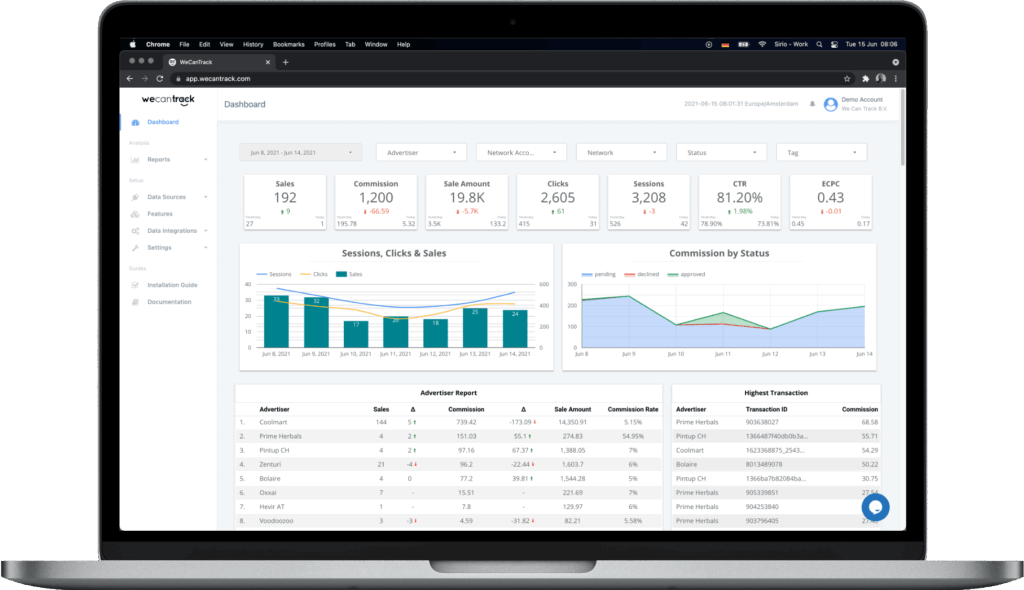
Here’s the smarter approach: build an affiliate business the same way you’d build anything you want to last—with a clear system, fewer moving parts, and a plan you can actually follow on normal-person time.
This post is a complete, beginner-friendly roadmap that’s tuned for real momentum: a focused niche, a simple website, content that earns trust, and an SEO-first strategy that keeps working even when social algorithms shift.
The smartest way to start affiliate marketing is to choose one clear audience, build a simple website, publish helpful content that answers real questions, and use ethical affiliate links to recommend products you genuinely trust. Focus on SEO and consistency to compound your traffic over time.
Disclosure: This post contains affiliate links. If you join through my link, I may earn a commission at no extra cost to you. I only recommend tools I believe are genuinely useful for building durable skills and a real online business.
Why “Smart” Beats “Fast” in Affiliate Marketing
If affiliate marketing had a villain, it wouldn’t be competition. It would be chaos.
Most beginners don’t quit because they aren’t capable. They quit because they’re juggling random advice from YouTube, TikTok, Facebook groups, and blog posts that contradict each other—while trying to set up hosting, pick a niche, learn keywords, and write content at the same time.
A smarter start is about reducing decisions and building a repeatable weekly routine.
Your goal isn’t to “win” affiliate marketing in 30 days. Your goal is to create a system you can still follow in 6 months.
When your system sticks, your results start to compound. That’s when affiliate marketing gets real.
The Smarter Affiliate Marketing Framework (Beginner-Friendly)
This is the framework I recommend because it’s steady, scalable, and doesn’t rely on viral luck:
- Pick one clear audience (not a “perfect niche,” just a clear one).
- Build a simple website that you own and control.
- Create helpful content that answers real questions.
- Use SEO so your posts can bring traffic for months or years.
- Monetize ethically by recommending products that truly fit the reader’s goal.
If you want the “why” behind this approach, you’ll like my internal guide: The Realistic Affiliate Marketing Blueprint for Beginners.
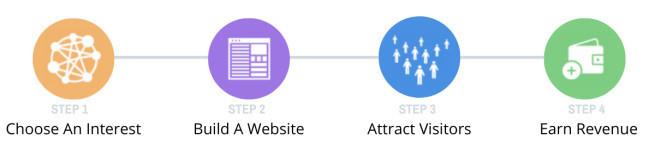
Step 1: Choose a Niche That Won’t Trap You
Most niche advice sounds like this: “Pick something profitable.”
Smart advice sounds like this: pick something you can write about consistently, and that has real problems people want solved.
Here’s a niche filter that keeps beginners out of trouble:
- Interest: Can you write 30 helpful posts about it without forcing it?
- Problems: Are people actively searching “how to,” “best,” “vs,” and “review” questions?
- Products: Are there credible products/services you could recommend honestly?
- Audience: Can you describe who this helps in one sentence?
Writers have an advantage here. You don’t need a massive following to start. You need clarity and consistency. If you’re building on a tight budget, this internal walkthrough helps: How to Start an Affiliate Business on a Writer’s Budget (Step-by-Step).
Step 2: Build a Website That’s Calm, Simple, and Search-Friendly
The smartest affiliate marketers don’t build on rented land alone. Social platforms can help, but your website is the asset you control.
Keep your first site simple:
- A clean theme that loads fast
- Clear categories (3–6 is plenty)
- An About page that proves you’re a real person
- A Start Here page that guides new readers
Then you publish. That’s the whole game early on.
If you’re a writer and want a guided path that mixes site-building with step-by-step affiliate training, I wrote this specifically for you: Wealthy Affiliate Marketing for Writers (Step-by-Step).

Step 3: Create Content That Earns Trust (and Clicks) Without Feeling Salesy
Here’s the content mindset shift that changes everything:
Don’t write to “sell.” Write to solve. Then recommend.
A smart content plan mixes three types of posts:
1) “Help me do the thing” posts (How-to + troubleshooting)
These build trust fast because they’re practical. Think: “How to start,” “How to fix,” “How to choose,” “How to save money.”
2) “What should I buy?” posts (Best-of + comparisons)
These capture buyer intent. They convert well when you’re honest and specific.
3) “Is it worth it?” posts (Reviews + alternatives)
These work because people are already considering a purchase. Your job is to help them decide with clarity instead of hype.
If you need a simple definition refresher (or you’re explaining affiliate marketing to someone else), this external primer is a good companion: Affiliate Marketing 101.
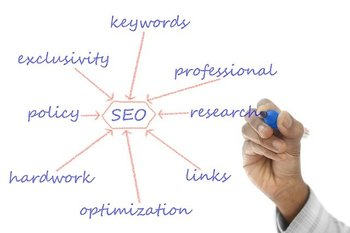
Step 4: Use SEO Like a Long-Term Engine (Not a Buzzword)
SEO doesn’t have to be technical to be effective. It just needs to be consistent.
A smart beginner SEO routine looks like this:
- One main keyword per post (the core question).
- Simple headings that match what people search.
- Short paragraphs and clear examples.
- Internal links to your related posts (this keeps readers on your site).
- Helpful images with descriptive alt text (Google Discover likes strong visuals).
Also, don’t ignore the “boring” pages. A good About page and Start Here page improve trust signals for readers and search engines.
The Smartest Shortcut Is a Guided System (Training + Tools + Support)
Affiliate marketing can be done DIY. But beginners usually hit the same wall: too many tools, too many options, and nobody to ask when something breaks.
A guided platform can reduce that overwhelm by bundling the basics: training, site-building, research tools, and community support in one place.
| Approach | What feels easy | Where beginners get stuck | Best for |
|---|---|---|---|
| DIY (separate tools) | Total freedom | People who already know the basics | People who enjoy tinkering |
| Random course + forums | Quick motivation | No clear next step, little accountability | People who already know basics |
| All-in-one guided platform | Clear path + support | Still requires consistency and content creation | Beginners who want structure |
One platform that comes up often in serious affiliate marketing discussions is Wealthy Affiliate—especially for people taking a content-first path. If you want a deeper look at its newer direction, this internal post breaks it down: Inside Wealthy Affiliate’s New AI Business Platform.
Try it the smart way:
If you want a structured path (training + tools + community) so you’re not piecing everything together, explore Wealthy Affiliate’s starter option. Use it to build your first site and publish your first posts while you learn.
If you want an outside perspective from my other site, these external reads pair well with this post:
- Is Wealthy Affiliate Worth It in 2026? Essential Facts
- How I Turned 1 Hour a Day Into a Profitable Affiliate Side Hustle
- Wealthy Affiliate’s AI-Powered Business Ecosystem
Your First 14 Days: A Simple “Smart Start” Checklist
This is what I’d do if I were starting today and wanted results without burnout:
Days 1–3: Decide your niche direction
- Write one sentence: “I help this person achieve this outcome.”
- List 25 problems/questions they search for.
- Pick 10 keywords you can answer confidently.
Days 4–7: Build the simplest possible site
- Create your About page (why you care, who you help).
- Create a Start Here page (3–5 links to your most useful posts).
- Set categories (keep it small).
Days 8–14: Publish your first “trust posts”
- 2 how-to posts
- 1 comparison post
- 1 “is it worth it?” post
That’s enough to feel traction. Not “rich.” Not viral. But real progress you can build on.
If you want a more detailed, writing-first roadmap, here are two internal guides that work especially well together:
- The Realistic Affiliate Marketing Blueprint for Beginners
- Wealthy Affiliate’s Built-In Affiliate Marketing Tools

Common Mistakes That Quietly Kill Momentum
Let’s save you a few months of frustration. These are the traps that look harmless… until you realize you’re stuck.
Mistake 1: Switching niches every time doubt shows up
Doubt is normal. Switching constantly is expensive. Give a niche enough time to produce feedback—traffic, comments, clicks—before you decide it “doesn’t work.”
Mistake 2: Writing only product reviews
Reviews are great, but they convert best when you’ve already earned trust. Mix in how-to content so the site doesn’t feel like a catalog.
Mistake 3: Chasing hacks instead of building a library
The “library” approach wins: 30–50 helpful posts that answer real questions beat one viral post that disappears in a week.
Frequently Asked Questions
Is affiliate marketing still worth starting in 2026?
Yes—if you treat it like a real business asset. The winners focus on helpful content, trust, and search intent. Quick-win tactics come and go, but useful content keeps earning.
Do I need a big social media following?
No. A content + SEO approach can work without a following. Social can help, but it’s not required if you’re targeting search traffic and writing posts people are actively looking for.
How long does it take to make money with affiliate marketing?
It varies. Many beginners need months of consistent publishing to build traction. The upside is that once traffic arrives, results can compound—especially if your content is evergreen.
What’s the best first platform for beginners?
The best first platform is the one that helps you stay consistent. If you want an all-in-one environment with training, tools, and community support, Wealthy Affiliate is a common starting point for content-first beginners.
Wrapping Up: Start Smarter, Then Stay in the Game
A smarter way to start affiliate marketing isn’t about doing more. It’s about doing the right few things consistently:
- Choose a clear audience
- Build a simple site you control
- Publish helpful content that solves real problems
- Use SEO so your effort compounds
- Recommend products ethically, only when they truly fit
If you want a structured environment to learn while you build, you can explore Wealthy Affiliate’s starter access here:
Keep learning (internal): Build Your Affiliate Business With Wealthy Affiliate | Passion to Profit
Related external reads: Your Ultimate Affiliate Marketing Hub