
Starting out in affiliate marketing can feel overwhelming when you look at all the options and strategies flying around online.
After spending a lot of time exploring different ways to earn affiliate income, there’s one path I always recommend to people who are brand-new and looking for something approachable.
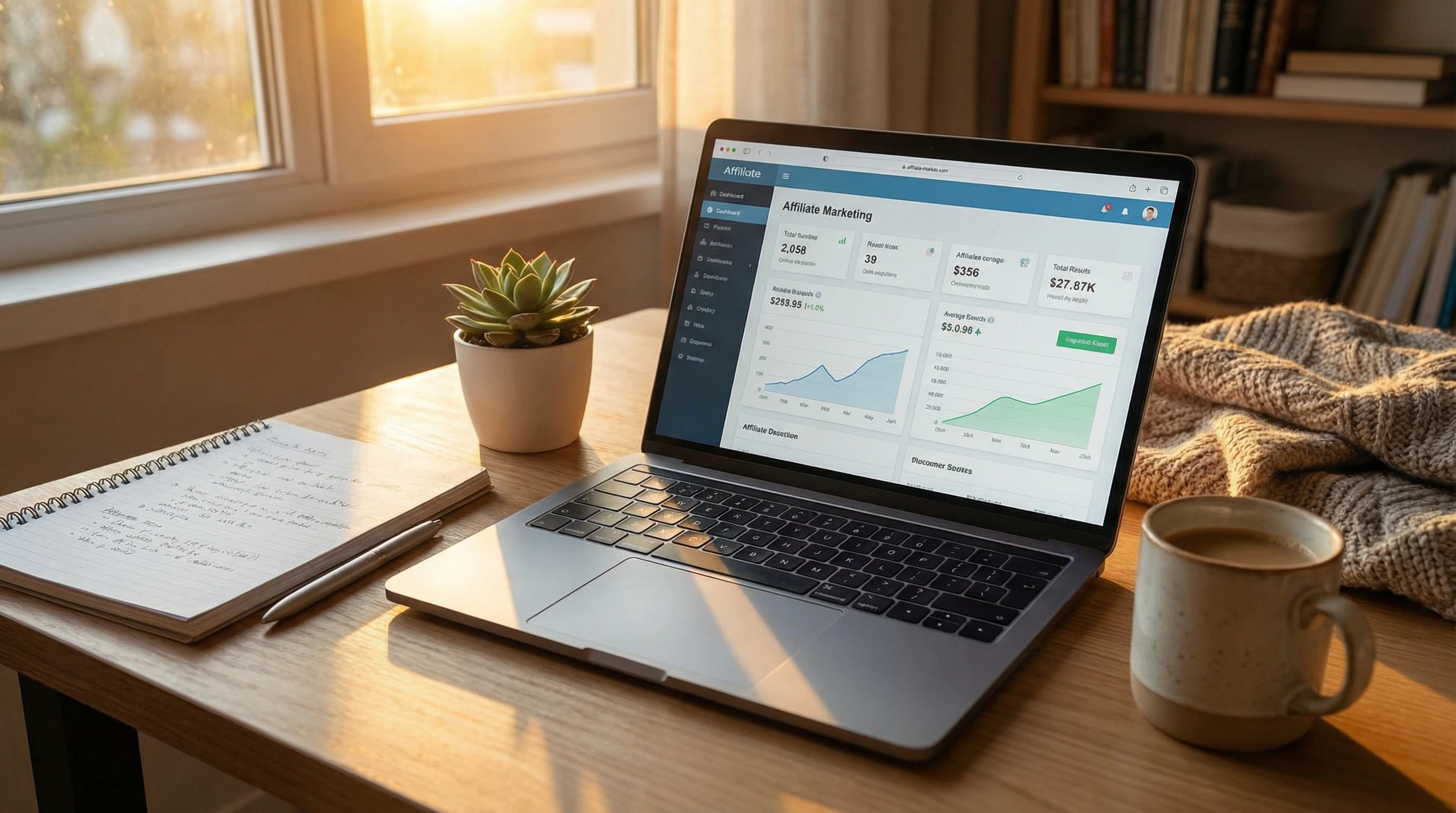
This guide explains how you can set up your first affiliate income stream with very little tech stress, and why it’s actually a fun way to jump in, even if you’ve never made a cent online.
Why Affiliate Marketing Is Worth Checking Out If You’re New
Affiliate marketing is a setup where you recommend products or services online, and you get paid a commission for each sale that comes through your unique link. What makes it stand out is the low barrier to entry: you don’t stock inventory, deal with shipping, or handle customer service. For absolute beginners, affiliate marketing is one of the rare opportunities online that doesn’t require a chunky startup investment or intense tech skills.
I like affiliate marketing because you can start with almost zero risk. You only need basic tools and a willingness to share recommendations in a relatable way. Plus, most affiliate networks offer plenty of beginner resources, so you’re never short on guidance if you get stuck.
Disclosure
The Most Beginner-Friendly Route: Content First + Partner Platforms
You’re probably wondering what makes a path truly beginner-friendly. To me, it comes down to this: picking a strategy that starts with creating simple, useful content on platforms people already visit, such as Medium, YouTube, or even a starter blog on WordPress.com or Substack.
Platforms like these have their own audiences baked in. You don’t have to build a website from scratch, learn coding, or even worry about SEO at the start. This makes it less intimidating and you can see feedback and results faster. Here’s how this approach basically works:
- Pick a Product You’ve Tried or Would Genuinely Recommend: Focus on something you know a bit about or would actually use. It could be a favorite book, a helpful app, or a service you think solves a real problem.
- Sign Up for an Affiliate Program That’s Easy to Join: Programs like Amazon Associates, ShareASale, or Impact are pretty approachable for newbies, and their sign-up process is smooth. You get your own special links and tons of helpful info on what works best with their products.
- Create Helpful Content Around the Product: Write a review, a how-to guide, or share a beginner experience with the product. Keep things honest and practical. People really connect with real-life insights, especially if you’re upfront about being new to the process.
- Share Your Content Where People Are Already Looking: Publish on Medium, LinkedIn Articles, YouTube, Reddit (where allowed), or even social groups focused on your topic. Include your affiliate link naturally, always following the site’s guidelines and being transparent about the partnership.
There are also supportive communities and forums where you can get advice or share your experiences as you get started. This sense of connection makes the whole process feel much less daunting for someone just dipping a toe into affiliate earnings. Many new affiliates find that reading about others’ journeys online helps them stick with it as they build their own presence.
Simple Steps to Launch Your First Affiliate Piece
Breaking it down even further, here’s exactly what I’d do to set up a first affiliate income stream if I were starting today:
- Pick One Platform and Stick With It for Your First Month: This keeps things manageable. For me, Medium is a solid choice because there’s built-in traffic and an easy editor. You don’t have to tweak any fancy settings.
- Choose a Category You’re Interested In: Don’t overthink this. If you like personal finance, gadgets, books, or wellness, all are fair game. The more genuine you are, the better your content tends to be.
- Sign Up for a Trusted Affiliate Program: For physical products, Amazon Associates is easy. For software or digital stuff, try Partner Stack, CJ Affiliate, or even specific company referral programs.
- Brainstorm Three Simple Content Ideas: Think: a list of favorite tools, an honest review of something you use, or a how-to for a common problem. Basic topics work fine as long as you answer questions real people have.
- Write and Publish One Helpful Article: Make it conversational, just like you’d text a friend about something good you found. Add your affiliate links, and include a quick disclosure that you’re using them. That’s really important for trust and legal compliance.
Sticking to these steps allows you to test the waters before committing too much time or energy. Many beginners try to do too much at once, but focusing on one channel first often leads to faster learning and more noticeable progress.

What You Need to Consider Before Jumping In
As easy as this approach is, there are a few things to keep in mind to avoid rookie headaches:
- Payout Thresholds: Many programs require you to hit a certain amount before they pay out. It’s worth knowing this up front so you know what to expect.
- Content Guidelines: Not every site wants you to post affiliate links directly. Always read the platform’s rules before adding links. Medium, for example, asks that you disclose clearly when links may earn you commissions.
- Choose Products You Understand: People spot inauthentic recommendations right away. You don’t have to be a superexpert, but it does help if you can explain why the product is good or how you used it.
- Transparency Builds Trust: Being upfront that your link may earn you a commission makes your recommendations feel more legit. People actually appreciate honesty, and it looks better to brands, too.
Having simple organization tools, such as Google Keep or a basic spreadsheet, to track your posts and links can also make it easy to stay organized as you handle more recommendations.
Possible Hurdles (And How to Handle Them)
Even the smoothest beginner path has a few bumps. Here’s how you can handle the most common ones:
Payout Delays
Some programs pay monthly, but others take a bit longer. I always track when and how I’ll get paid, so I’m not surprised if it takes a couple of months to see the first check. Using a simple calendar reminder can help you stay on top of payment schedules and give you peace of mind as you wait for your first commissions.
Low Early Clicks or Sales
If your first few posts don’t get clicks, don’t stress. Even experienced folks often need a few tries to see what topics get noticed. Adjust the angle or try sharing your post in different places next time. Sometimes, a small update can double your clicks.
Giving your articles catchy headlines and making sure your content answers a real pain point your readers have can also give your post a better chance at getting seen and clicked.
Platform Policy Changes
Every so often, sites update their rules about affiliate links. It pays to check in on the latest guidelines before every couple of posts, just to stay in the clear. Signing up for the platform’s newsletter or alerts can help you spot these changes sooner and avoid running into problems with outdated practices.

Easy Ways to Get Noticed and Build Early Momentum
Your early posts might not go viral right away, but there are some simple tricks that help bring more eyeballs to your recommendations:
- Tap Into Trends: Look at what’s trending on your platform and tie your content to those topics, if it makes sense. For example, if personal finance is blowing up, share your favorite budgeting app with an affiliate link.
- Use Original Photos or Screenshots: For products, showing real photos adds a personal touch. For digital tools, screenshots work just as well and help people see what they’re getting.
- Answer Real Questions: Check out popular questions in forums or Reddit and write your post to answer those directly. Bonus points if you drop a link to your full guide (if allowed).
- Join Online Communities: Get involved in Facebook groups or online forums related to your niche. Engaging with others by asking questions, sharing tips, or offering advice can help drive traffic to your posts in a natural way. Always respect group rules about self-promotion, but being active can still lead to curious people checking out your content.
It helps to be consistent, too. Posting regularly, even with short updates, keeps your profile visible and signals you’re serious about helping others. Some affiliate marketers find that creating short video clips or quick tip posts allows them to connect with audiences who prefer snappy, actionable content. The key is to experiment, but not spread yourself too thin.
Quick FAQ for Beginners
Sometimes new affiliate marketers have a few burning questions right away. I hear these a lot:
Question: How quickly can I make money with affiliate marketing?
Answer: For most people, it can take a few weeks or months before seeing regular income. The cool part is that once your posts are live, they can keep earning as long as people find them.
Question: Do I need a personal website to get started?
Answer: Nope! You can use platforms like Medium, Substack, or even YouTube. Having your own site helps later, but you definitely don’t need one for your first commissions.
Question: Are there free tools for tracking my affiliate earnings?
Answer: Most affiliate programs have dashboards that show clicks, sales, and payouts, so you can see what’s working without spending money on fancy trackers.
Question: Will people trust what I recommend even though I’m a beginner?
Answer: Yes, if you’re honest and review products you honestly like (or even explain what could be better), readers often appreciate a beginner’s perspective. This is especially true in spaces with loads of reviews since a fresh take can stand out.
Question: What should I do if I don’t get results quickly?
Answer: It’s normal to feel impatient when you don’t see instant results. The most successful affiliate marketers often started by tweaking and testing their ideas. Use feedback as a guide and be open to switching up your topics or trying new platforms once you’ve given your first efforts a real shot.
Expanding After Your First Success (When You’re Ready)
Once you earn your first few commissions, you’ll probably want to try expanding. I always recommend growing slow and steady. The next steps might look like:
- Building a simple email list so you can send updates to folks who liked your first post
- Testing more niches as you get more comfortable, exploring which topics and products move the needle for you
- Experimenting with a personal website or blog as a hub for all your best content
- Thinking about simple YouTube videos or short social media content to reach new readers and keep your affiliate links working for you round the clock
Affiliate marketing isn’t an overnight money machine, but it’s not nearly as mysterious or technical as it sounds. Starting with easy-to-use platforms, honest content, and a clear focus on helping readers is still the simplest way I’ve found for total beginners to start seeing those first earnings online. With patience, some experimenting, and a real desire to offer value to others, your first affiliate checks are closer than you might think.
Ready to Master Affiliate Marketing?
Join thousands of creators building real income online with Wealthy Affiliate. Get step-by-step training, SEO tools, and expert support—all in one place.
Start Free Today